 Posted by
Scenario and Data: Are You Ready for Precision?
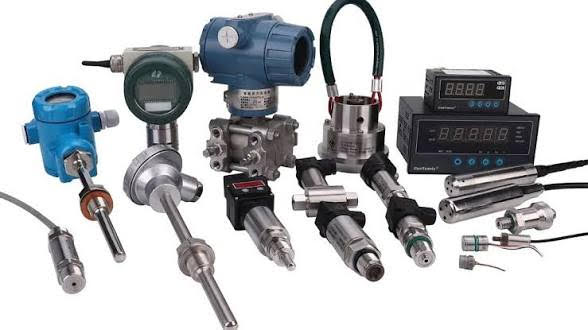
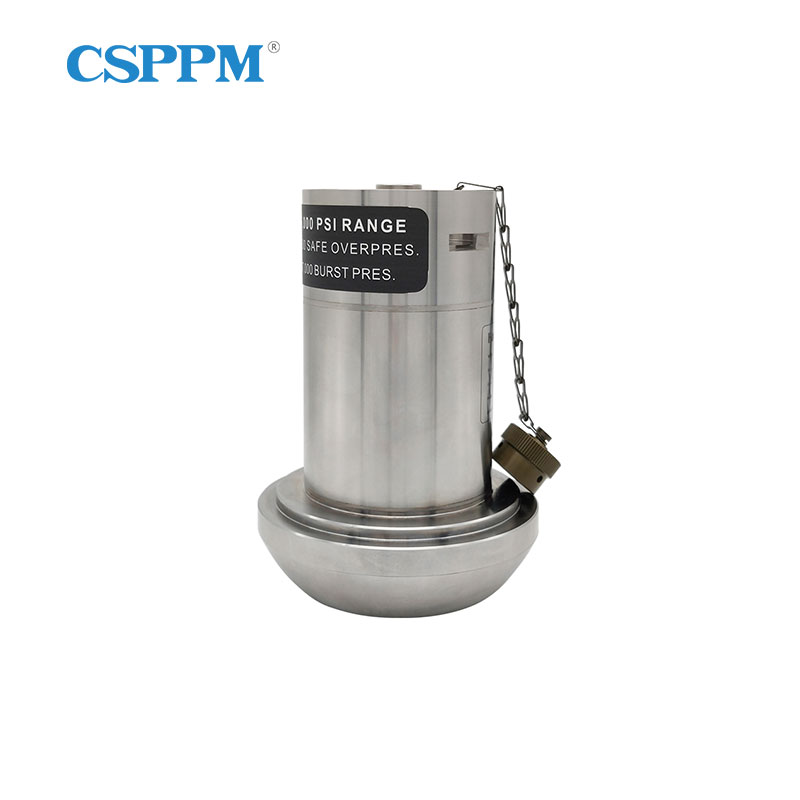
Imagine working on a drilling rig in the heart of the Indian oil fields, where efficiency and safety are paramount. With rigorous pressures exceeding thousands of psi, having accurate pressure readings is non-negotiable. So, how do you ensure the integrity of your operations? Enter the hammer union pressure sensor—an essential tool tailored to meet such demanding environments. This pressure sensor 4 20ma is increasingly gaining favour, touted for its reliability across various applications.
The Hidden Flaws of Traditional Solutions
Many traditional pressure sensors simply don’t cut it when it comes to handling extreme conditions. One common flaw I’ve noticed during my years in the industry is that older models often succumb to failure due to excessive vibration and temperature changes. This leads to downtime—a costly affair for any operation. Additionally, these legacy sensors can provide inaccurate readings, which poses serious safety concerns. I vividly recall a project back in 2015 where an erroneous sensor reading resulted in a near-miss incident. Recognising the need for better technology, many companies are opting for modern solutions that incorporate advanced materials and precise calibration. It’s time to discuss how the updated pressure sensor 4 20ma addresses these pain points effectively.
What Makes Hammer Union Pressure Sensors Stand Out?
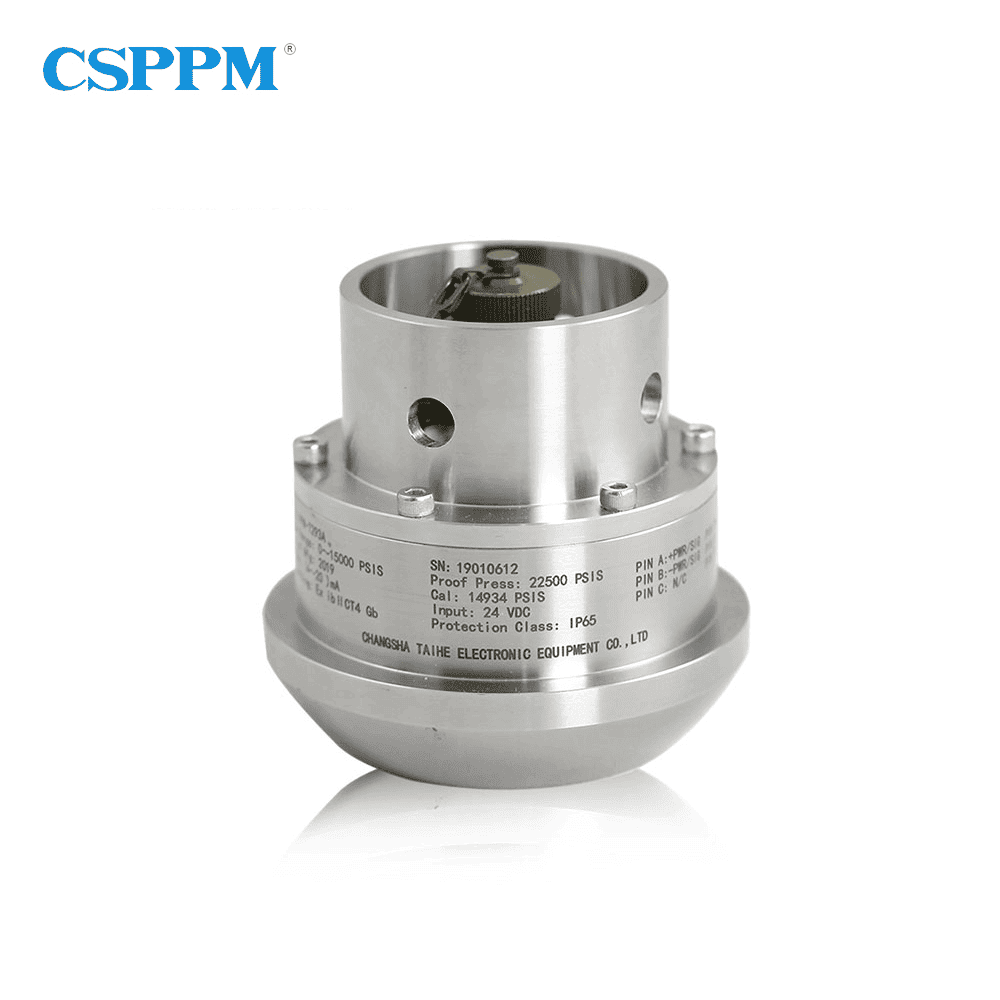
For anyone contemplating upgrading their equipment, hammer union pressure sensors are noteworthy for their robust construction. They are designed to withstand high pressures and extreme conditions while providing consistent performance. But that’s not all; these sensors also utilise 4-20mA output, making them compatible with a wide range of monitoring systems. When I first encountered this technology, the ease of integration surprised me. Suddenly, everything from pipeline integrity to safety operations became a much more manageable affair.
Looking Toward the Future: Advancements in Technology
When comparing the traditional sensors of yesteryears with today’s innovative hammer union pressure sensors, the differences are astounding. Cutting-edge designs incorporate smart technology that can monitor environmental conditions and self-diagnose issues in real-time—talk about a game-changer! As I observe the trends, I believe that within the next five years, we will see widespread adoption of these intelligent systems. The new-wave pressure sensor 4 20ma is an embodiment of this forward-thinking approach, paving the way for operational excellence.
Real-World Impact: What’s Next?
The implications of these advanced sensors extend to improving not just performance but also safety standards in oil and gas operations. I’ve seen firsthand how companies that switched to modern pressure sensors had a 30% reduction in downtime due to sensor failures. This isn’t just a number; it translates to increased profit and improved morale among workers. Transitioning to a more reliable system fosters confidence and tranquillity in what is often a high-stakes environment.
Wrapping It All Up: Lessons Learned
In summary, the evolution of hammer union pressure sensors illustrates a shift from flawed traditional solutions to innovative technology designed for today’s challenges. To choose the right pressure monitoring system, I recommend evaluating three crucial metrics: compatibility with existing systems, ruggedness against extreme conditions, and ease of installation. As industries strive for more efficiency, I firmly believe that sensors like those from CSSPM Sensor will lead the charge. Your operations deserve nothing less than the best.