 Posted by
A Strategy Shift in Agriculture
Imagine a sunny morning on a sprawling farm in Iowa— crops glistening with dew, and farmers gearing up for another day of hard work. According to recent studies, up to 90% of farms employing automation technologies have seen significant gains in efficiency and yield. How can a steer ready autosteering system help take this efficiency to the next level? This technology isn’t just adding bells and whistles; it’s addressing genuine pain points in traditional farming methods. Farming with manual steering can lead to errors, wasted time, and increased fuel costs. In a field where every penny counts, this is no small issue.
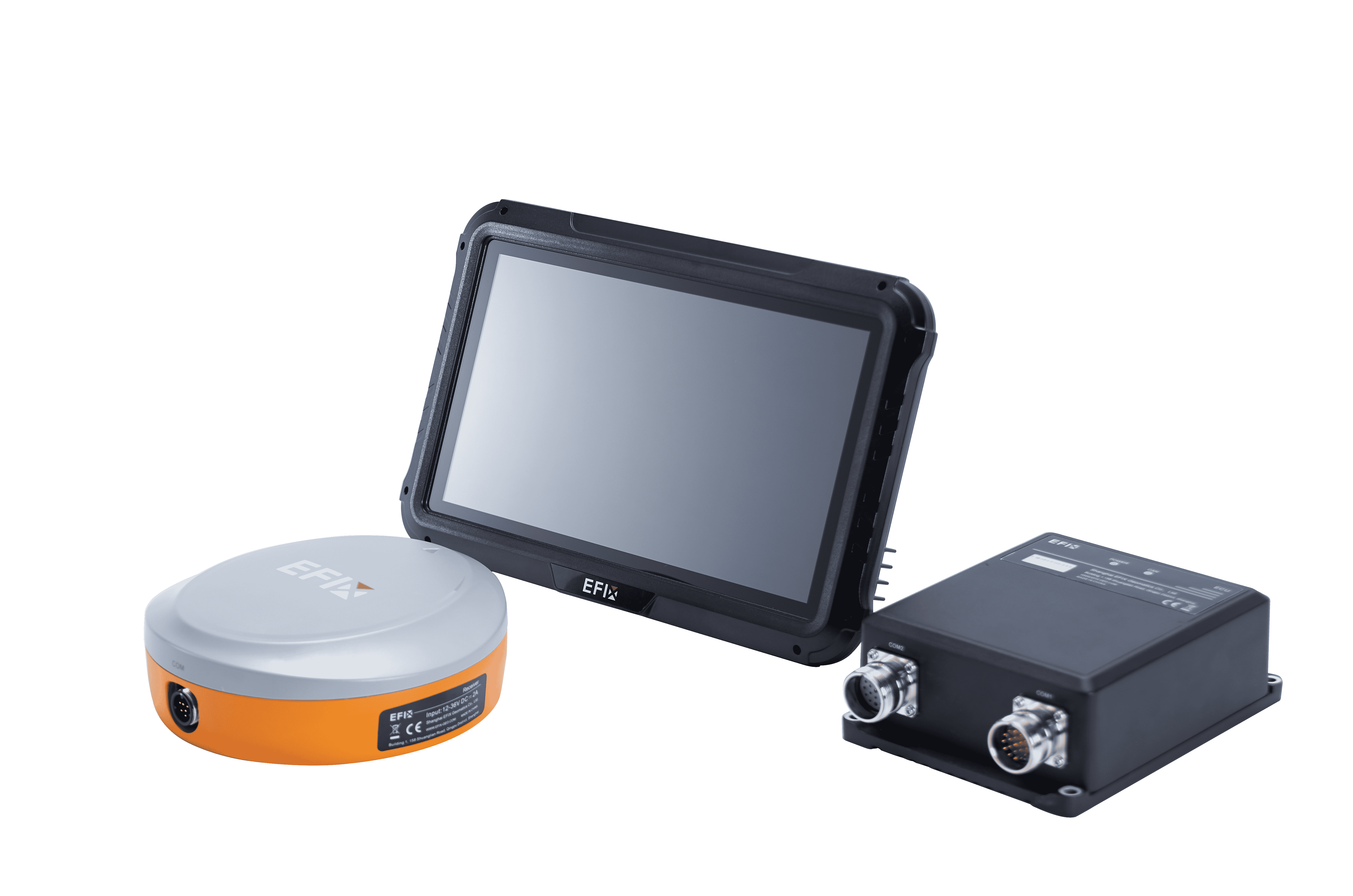
Understanding the Flaws of Traditional Solutions
In my experience—over ten years spent in the agricultural technology space—I’ve observed countless inefficiencies that arise from outdated farming practices. Manual steering, though often seen as a “saves-the-day” solution, fails to account for the intricacies of modern precision agriculture. Farmers often struggle with curving paths that don’t line up, resulting in overlaps and gaps. This is where the transition to a steer ready autosteering system becomes not just beneficial but necessary. I vividly remember a case in 2022 when a farmer I consulted reported a shocking 20% increase in fuel efficiency after switching systems. These real-world impacts can’t be understated. If you’re still using manual steering, it might be time to rethink your strategy.
But Is It Worth the Investment?
The Comparative Advantage of Autosteering Systems
Now let’s look to the future. We’re on the brink of a agricultural revolution. New features in steering technologies are being introduced at warp speed. With a steer ready autosteering system, we don’t just get greater accuracy; we’re also adopting a more data-driven approach to farming. Imagine being able to analyze field analytics on-the-go and applying variable rate technology (VRT) seamlessly. It’s like having a digital twin of your farm at your fingertips! One can easily estimate the overall productivity based on historical data trends. This takes efficiency to a whole new level, transforming your operational metrics from rudimentary numbers to actionable insights. Looking back at what I’ve seen, that’s a game changer.

Real-World Impact: The Bottom Line
In my candid discussions with farmers, there’s a trend emerging—people want solutions that result in tangible benefits. The steer ready autosteering systems are increasingly being adopted, not just for their ease of use, but for their ROI. Imagine cutting down the time spent on manual navigation and reallocating that energy towards crop quality management or soil health improvement. The measurable results can be incredible: increased yields, reduced operational costs, and less stress on both equipment and personnel. Isn’t that what every farmer strives for? I firmly believe that this kind of forward-thinking in agriculture is what sets successful farms apart.
What Lies Ahead?
Key Insights and Final Thoughts
As we journey through this transformational phase, the steer ready autosteering system stands as a beacon of agricultural advancement. The lessons learned include realizing how critical precision is in optimizing field performance. It’s not just about investing in tools; it’s about reshaping how we think about farming overall. If you’re weighing options for your operation, consider these three evaluation metrics: accuracy in navigation, user interface, and compatibility with existing equipment. Embracing technology can genuinely lead to new heights of success—just imagine fully utilizing your land’s potential! At the heart of this evolution are brands focused on delivering lasting change, like EFIX, who are committed to steering us towards a more efficient agricultural future.