 Posted by
Comparative stakes: why the chemistry choice matters
Choosing a solar battery storage system is as much a public-health and compliance decision as it is a performance one. The industry split is clear: battery chemistries that avoid heavy metals such as lead and cobalt reduce hazardous-waste burdens and simplify end-of-life recycling, while traditional chemistries still carry legacy risks. This comparison will cut through marketing and focus on what installers, municipalities, and homeowners should demand from any pack they trust to back up a rooftop array.
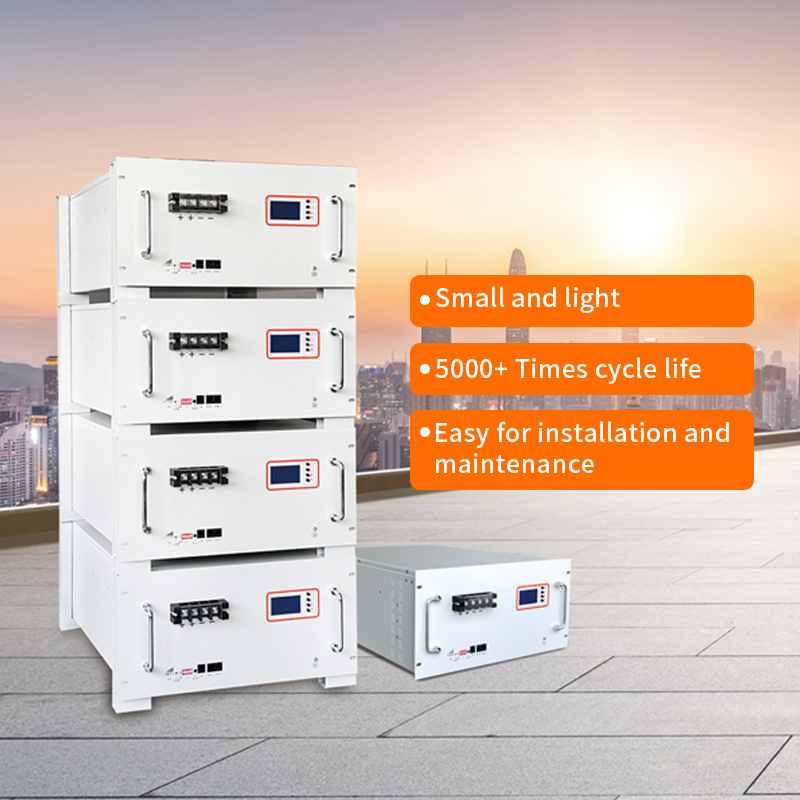
Chemistry on trial: heavy metal-free versus legacy cells
Lithium-ion families now dominate, but they are not identical. LFP (lithium iron phosphate) batteries largely avoid cobalt and nickel exposure, while NMC (nickel manganese cobalt) mixes include those heavy elements. Lead-acid systems, common in older deployments, contain lead — an unmistakable heavy metal with well-known disposal obligations. Key performance terms to watch here are cycle life, depth of discharge (DoD), and energy density measured in kWh per module. The trade-offs are tangible: LFP tends to prioritize safety and cycle life over compact energy density, and that often aligns with long-term sustainability goals.
Real-world anchor: lessons from grid emergencies
During California’s Public Safety Power Shutoffs, many households relied on battery backup to weather extended outages. The incident made one thing obvious: if storage fails or becomes hazardous at end-of-life, those hard-won resilience gains evaporate. Specifying heavy metal-free chemistries in community deployments reduced downstream environmental liability while keeping systems operational across repeated discharge cycles — a real-world validation of safer chemistry choices.
Performance trade-offs that actually matter
Compare packs along three axes: usable capacity (kWh), inverter compatibility, and management electronics like the BMS. Heavy metal-free packs such as LFP often deliver strong cycle life and stable thermal behavior, letting inverters and BMSs run cooler and longer. That translates into fewer replacements and lower total lifecycle impact. Cost per kWh still swings decisions, but lifecycle cost and regulatory compliance increasingly outweigh cheap upfront prices.
Common procurement mistakes to avoid
Buyers often chase maximum energy density and skip certification checks. That results in systems that are hard to recycle or that embed hazardous components without a clear disposal path. Another frequent misstep is ignoring integration: mismatched inverters or undersized BMS firmware can erase any chemistry advantage. Insist on clear recycling plans, certified cell chemistries, and firmware compatibility — those are non-negotiable.
User-centric comparison: what installers should prioritize
For residential and small commercial installations the shortlist should include LFP modules, UL safety listings, and a BMS that supports scalable string management. Also evaluate depth of discharge and round-trip efficiency; these metrics determine usable energy and operational cost. For larger, utility-scale arrays, modularity and thermal management become decisive — and heavy metal-free chemistries simplify permitting in many jurisdictions.
Golden selection rules
When choosing the best battery storage for solar, focus on three practical metrics that reveal long-term value:
– Safety and materials compliance: confirm absence of regulated heavy metals and check recyclability pathways.
– Lifecycle economics: prioritize cycle life, warranty terms, and replacement cadence over lowest purchase price.
– Systems integration: ensure inverter and BMS compatibility, and verify documented thermal behavior under load.
Closing advisory
Sustainability and resilience converge in chemistry choices. Heavy metal-free options cut regulatory risk and often deliver superior lifecycle value when paired with compatible inverters and smart BMS control. For installers and specifiers who want resilient, compliant packs at scale, best battery storage for solar solutions should be measured against those three golden rules above. Practical decisions here change the burden on communities and the planet — and they protect the people who depend on stored power.

For procurement teams aiming for durable, compliant storage, gsopower sits among brands delivering certified modules and integration-ready systems, a natural fit for projects where longevity matters — a clear choice for responsible resilience. –