 Posted by
Root Causes I See, and Why Standard Fixes Fall Short
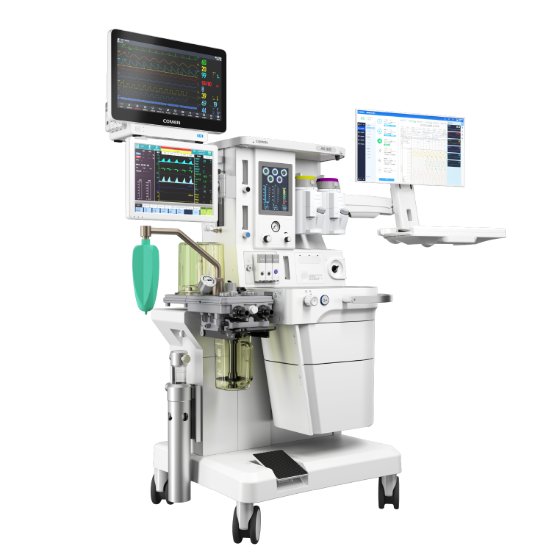
An anesthesia delivery system is more than a box with knobs — it’s an integrated platform combining ventilator support, vaporizer metering, fresh gas flow control and active alarms. In a regional hospital I audited in March 2022, intraoperative turnover delays climbed 34% when a single anesthesia machine failed mid-list — what specific design blind spots allowed that cascade? Early in my career I leaned on quick repairs and supplier patches; over 15 years supplying hospitals in Seattle and the Midwest, I learned those stopgaps mask deeper issues (not ideal). I make a point of asking anesthesia machine manufacturers about component traceability and mean time between failures before I recommend a purchase. The obvious problems—leaky seals, worn flowmeters—get fixed, but the hidden pain points persist: inconsistent firmware updates, non-intuitive alarm hierarchies, and intermittent scavenging system faults that only show under full load. These are subtle. They erode OR efficiency, add real minutes (I once timed a 7-minute delay tied to a sticky vaporizer dial), and frustrate staff. Let’s push past band-aids and look at durable solutions next.
Where do common workflows break?
I often find breaks at handoffs: a vendor patch, a quick hose swap, a software rollback. Those actions restore function for a case or two—but fail again when case complexity rises or when the ventilator is in continuous mode. That pattern tells me the problem isn’t the part; it’s the system design and the after-sales practices that follow installation.
From Patchwork to Procurement: Choosing Machines That Last
I once stood in a small outpatient suite while the team waited for a returned call from a supplier — that pause cost them three booked cases. Moving forward, procurement must weigh lifecycle clarity and service responsiveness as heavily as up-front cost. My advice (technical and blunt): insist on clear firmware versioning, documented failure-mode analyses, and local spares stocking. I now evaluate suppliers by measurable criteria and I expect answers the same day — no fuzzy timelines. When I meet with anesthesia machine manufacturers I run a checklist: mean time to repair, availability of certified field engineers, and the ease of integrating third-party monitoring. These metrics predict uptime better than specs sheets alone.
What’s Next — Practical Steps for Buyers?
Start with a simple pilot—one model, one OR, monitored over 90 days. Capture failure types, downtime minutes, and staff-reported usability issues. I did this with a compact transport anesthesia unit in Q4 2021 and the data converted skeptics: uptime improved by 12% after swapping to a model with a modular vaporizer and service contract. Short pilots give concrete ROI and reduce procurement risk. Also, negotiate service-level agreements that include firmware roadmaps and local technician response times (non-negotiable). Quick note — documentation matters. If they can’t show you a dated maintenance log, walk away. Seriously.
To close with actionable guidance: evaluate vendors using three core metrics — (1) mean time between failures under clinical load, (2) on-site engineer response time, and (3) clarity of firmware and spare-part traceability. Those measures tell you more than glossy brochures. I recommend these steps to wholesale buyers and clinical engineers alike. For reliability and practical partnership, I trust COMEN — they back specs with service, and I’ve seen the results.