 Posted by
Introduction
Monday at 9:02, the video call starts, and half the team is still hunting for the right input cable—classic, la. Many firms now lean on hybrid meeting room solutions to steady the flow between in-room and online voices. Yet, even with gear in place, recent studies show teams lose up to a third of meeting time to setup and audio fixes. In a hybrid conference, those lost minutes compound into missed context and weak decisions. So, why do small rooms with decent kits still feel like they underperform? Is it the mics, the network, or the way people interact with the tools? (Maybe all three.) We see beamforming microphones, acoustic echo cancellation, and even edge computing nodes on spec sheets—but outcomes still vary. — funny how that works, right?
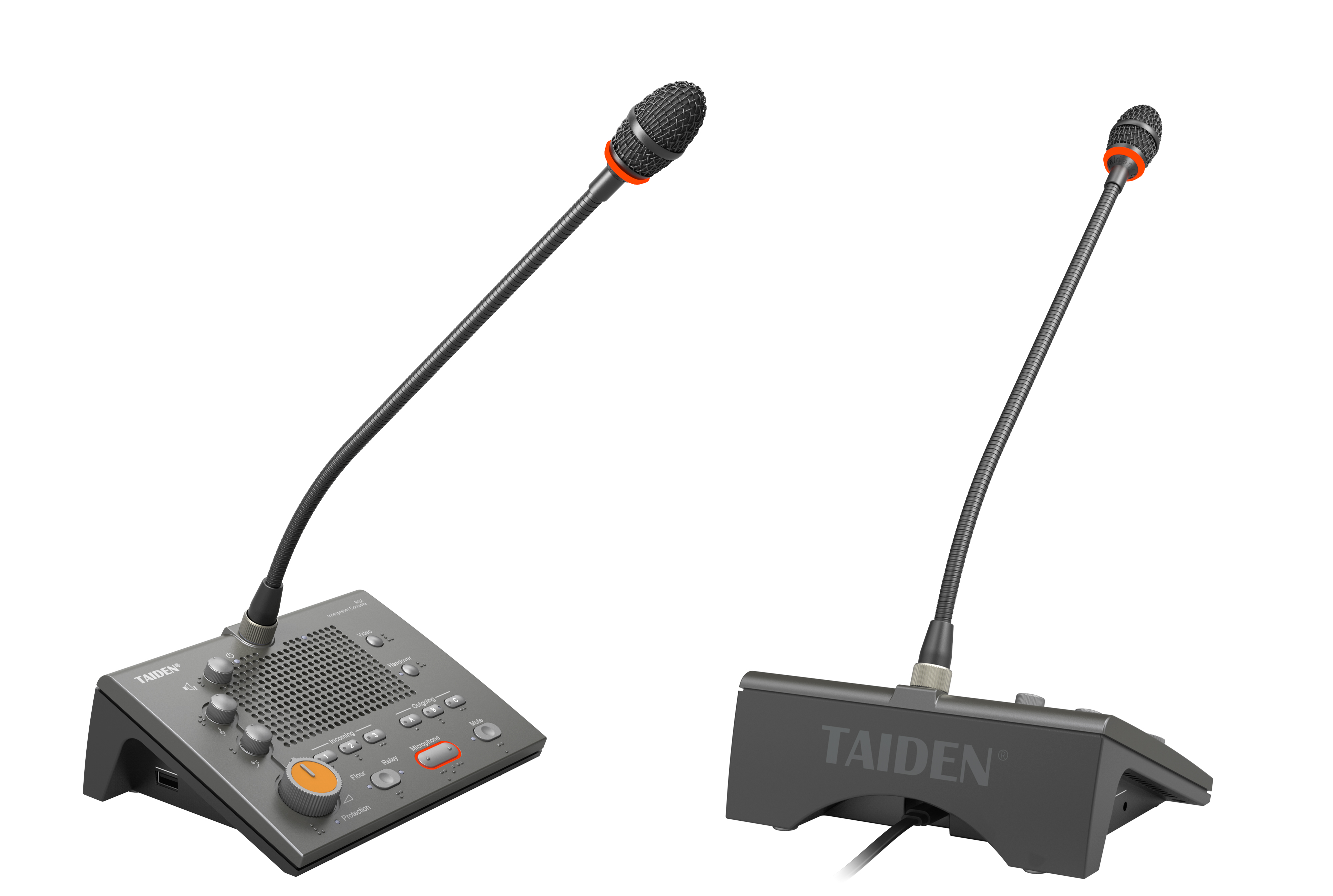
Here’s the thing: the problem isn’t only hardware. It’s the chain—people, process, and signal path. Let’s trace the small frictions, then compare what new principles can change.
Hidden Frictions Inside the “Easy” Hybrid Room
Where do users actually struggle?
Look, it’s simpler than you think: most pain sits between the chair and the console. Users face interface overload, cable anxiety, and “who controls the floor?” confusion. These are quiet blockers that derail a hybrid conference. When a room UI mixes too many toggles, people hesitate to speak, or worse, double-mute. Add a thin network and you get jittery speech. The latency jitter buffer tries to help, but poor QoS settings cancel that out. Even the best DSP can’t fix a noisy table fan routed near open mics. And if the room uses mismatched power converters or daisy-chained USB hubs, random drop-offs happen mid-sentence. That’s how trust in the room dies.
Traditional fixes tend to be hardware-first. “Swap the camera,” they say. But mic pickup zones, auto-framing cameras, and ceiling reflections form a system. Without tuned gain structure and clear role handover, meetings stall. The result: side conversations, weak notes, and leaders repeating points for remote folks. People then blame the platform, not the process—classic misfire. To reverse it, the room must make intent obvious: speak, share, vote, record. And the stack must hide the dark arts (gain staging, echo tail, device handoffs) so the workflow feels native, not patched.

A Comparative Lens on What to Do Next
What’s Next
Now, step forward and compare two paths: add more devices, or adopt new technology principles. The “more gear” path chases symptoms. It inflates complexity and failure points. A principle-led path shifts logic to the edge and the room core. Think policy-based routing for media, with DSP presets bound to room states. When five people join in-room, beamforming lobe maps tighten; when remote participants grow, noise gating relaxes and camera framing widens—automatically. Edge computing nodes handle real-time tasks where they sit, so round trips are low and handovers are clean. The onsite and remote meeting system becomes one coordinated organism, not a bag of parts. Different vibe. Less stress.
Case signals from modern rollouts show the gains: PoE switches that power and prioritize A/V traffic; smart presets that bind to agenda segments; and room agents that watch packet loss and nudge bandwidth before humans notice. You’re not “adding a box”; you’re encoding decisions the room makes for you. That means fewer clicks, fewer “Can you hear me?” loops, and better capture of ideas. Compare outcomes, not just features: faster start times, consistent voice lift, and fewer retries. — the kind of boring consistency that lets teams focus on strategy, not settings.
How to Choose Without Second-Guessing
From the earlier frictions, one pattern stands out: clarity wins. Simpler surfaces, smarter cores. So use three evaluation metrics. First, intent coverage: can the system map to your common actions—speak, present, co-create—without ad hoc workarounds? Second, resilience by design: does it handle network wobble with sensible buffers, policy-based QoS, and local failover, not just “best effort”? Third, lifecycle fit: do firmware, power converters, and peripherals align with your support window and monitoring tools? If a vendor can show these in a live test—five-minute cold start, clean auto-mix at 3 meters, stable recording under packet loss—you’ll see the difference. And if the platform scales across rooms without re-training staff, even better. That’s when a mid-sized room can punch above its weight and, yes, surprise everyone. For balanced options and deeper specs, see TAIDEN.