 Posted by
Introduction: A Calm Look at What Really Drives Value
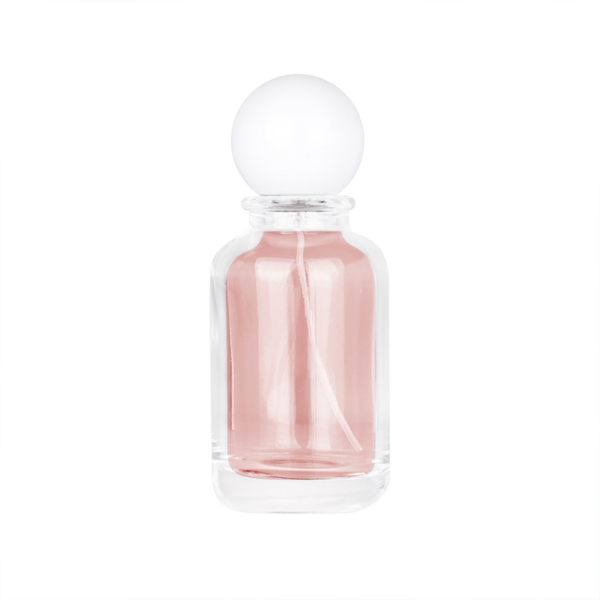
Early in the day, before the inbox fills, you line up sample bottles and breathe in the quiet. The second bottle is a round perfume bottle, heavy in the hand, clean at the seam, almost meditative. Then the spreadsheets arrive. The numbers say that glass and closures can hold as much as 40% of total pack cost, while defect-related returns hover near 3% in many launches. Lead times stretch to 10–14 weeks when demand spikes. So what, in that hush before trade, really matters? Is it the lowest unit price, or the path that brings the bottle to the shelf with less risk and less waste (and more ease)? And could the difference be something small—tolerances, handling, or the way we approve batches—that grows into something large?

I share this not to alarm, but to invite a steadier view. Choices ripple through the system: molds, annealing, final fit of pump and collar. Each touch adds or removes friction. The question is simple: where do we gain quiet control, and where do we unknowingly trade it away? Let’s walk into the details, gently, and see where hidden costs live—then compare better routes forward.
Traditional Buying’s Blind Spots: Where Bulk Logic Misses the Mark
What’s the real bottleneck?
Most teams chase a deal on a wholesale round perfume bottle and then fight the problems later. Look, it’s simpler than you think: price is visible; variation is not. When mold tolerances drift, a neck finish can push a pump out of spec. When the annealing curve is off by a few degrees, micro-stress sets up cracks during transit. A “good” unit price gets erased by rework, reboxing, and missed slots. Standard QC sampling plans may pass the lot, yet still miss edge cases that cause leakage. The drop test looks fine on paper—funny how that works, right?—but the retail reality is rougher.
Here is the deeper flaw. Bulk terms assume linear demand, steady handling, and clean handoffs. Real programs shift. Colors pivot. Coatings evolve. A late change to metallization or UV lacquer can stack lead time and increase scrap. The old playbook does not account for dimensional capability (Cpk) on the neck, or torque spec alignment with chosen pumps. It does not price the cost of stop-start lines or the rush air freight that follows. We think we bought glass; we actually bought risk paths we did not map. That is the hidden bill.
From Specs to Signals: A Forward-Looking Way to Source and Compare
What’s Next
We move better when specs become living signals. A modern line uses inline vision inspection to check finish roundness and wall thickness in real time. It ties kiln data to SPC dashboards, so the annealing profile is not a mystery but a traceable curve. A capable round perfume bottle supplier can share batch traceability, show defect Pareto charts, and simulate closure fit with a simple digital twin of the neck. Small steps, big calm. Because when your inputs are stable, your downstream work—assembly, filling, packing—stays smooth. And smooth beats cheap when deadlines loom.
Compare vendors not only on price, but on how they surface and solve variation. One partner may offer tighter mold maintenance and faster cavity changeovers; another may log cullet ratio and furnace health with IoT sensors (tiny signals, real impact). Summing up, the lesson is clear: we reduce noise by turning one-time specs into ongoing data. We cut rework by aligning tolerances with pumps and collars, and by proving the line with quick pilots before scale. To choose well, use three metrics: first, dimensional capability on critical neck points (target Cpk ≥ 1.33); second, verified AQL for cosmetic defects with agreed sampling and clear rework rules; third, end-to-end lead time that includes color or coating changeover penalties. Keep those steady and the rest follows—and breathing gets easier. For steady guidance across these steps, see NAVI Packaging.