 Posted by
Introduction — a fireside scenario from the Highlands
I was standing by a peat fire, boots muddy, watching a small factory foreman wrestle with a jammed roll — and I thought: we’ve all been there. In the next room they ran a wet wipes production line, humming, lights low, yet the output numbers told a different tale: month-on-month waste at 6–8% and rising. Data like that bites; it makes you ask the blunt question — what’s really blocking steady growth? (Aye, you can feel the pinch when the costs mount.)
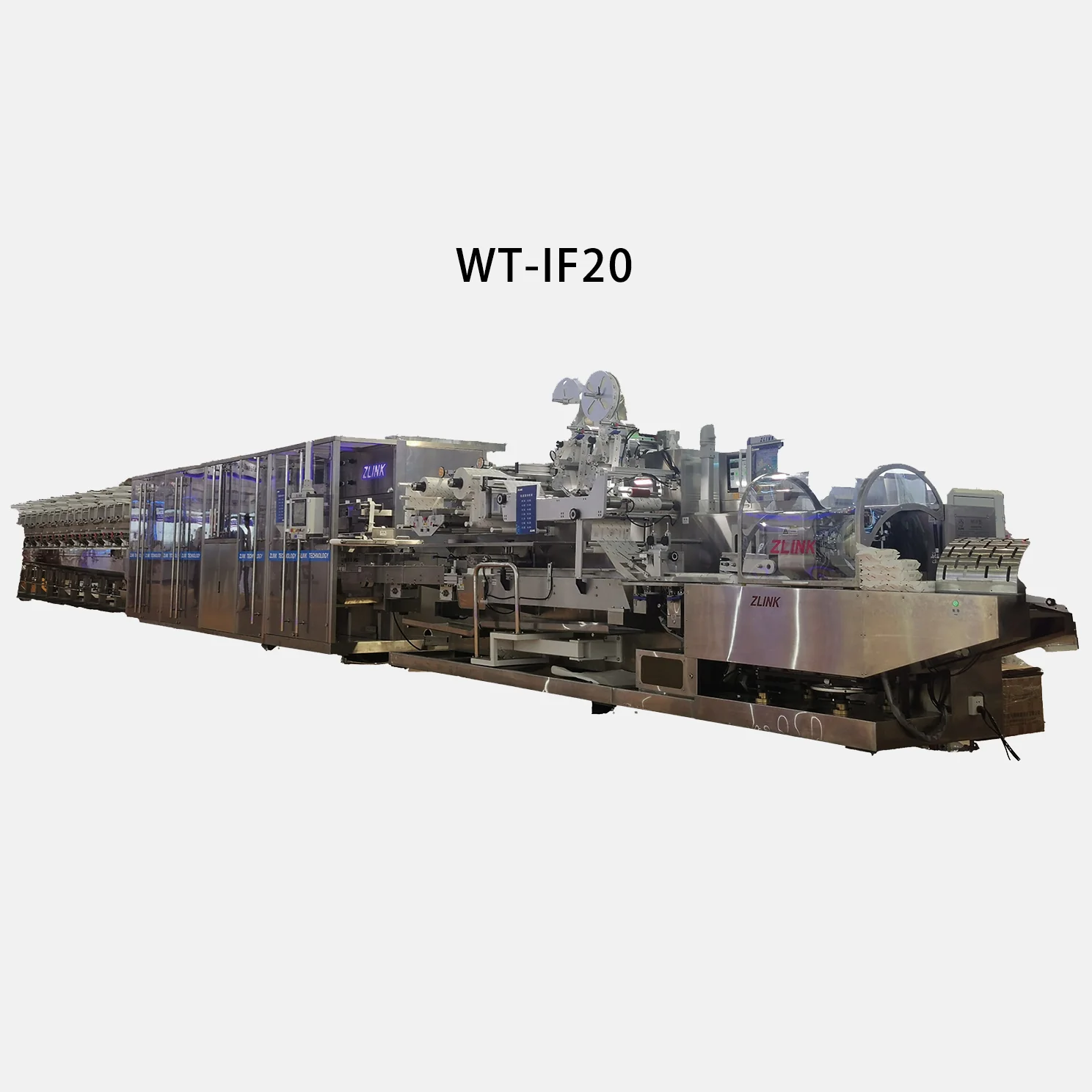
I write from the view of someone who’s seen mills go from chaos to calm. I know what a single misaligned web or a faltering spare part can do to morale. So let’s take a clear look together: where do gains hide, and which choices actually move the needle? I’ll share what I’ve learned in plain talk, with a few technical names tossed in so you know we’re not making it up — tension control, servo motors. Now — onward to the nitty-grit of the machines and the people who run them.
Part 1 — Where traditional systems fail (direct, technical)
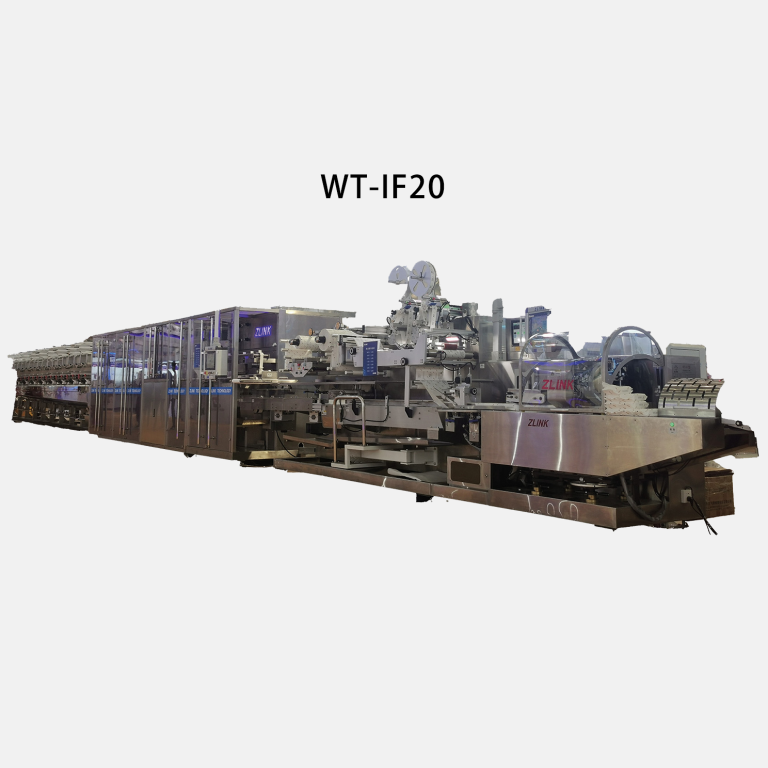
I’ll get straight to it: the old answers often miss the real problem. When you consider a wet tissue paper making machine, people tend to focus on headline specs — speed, sheet size, or the fancy folding head. But the deeper flaws live in control and consistency. Faulty tension control and slow servo motor responses create micro-variations in sheet weight; those tiny slips cascade into visible defects, waste, and lost batches. I’ve seen quality teams chase symptoms for weeks while the root cause sat in a poorly tuned dancer arm. Look, it’s simpler than you think: tune the web handling first.
Another blind spot is maintenance culture. Traditional uptime strategies treat downtime like a surprise enemy, not a predictable friend. Bearings, knife-edge cutters, and drive belts wear in patterns — and when you ignore those patterns, you invite emergency stops. Edge computing nodes and smarter PLC logic can spot the wear earlier, yet many plants delay that upgrade because of short-term cost fear. I’ve been there — invested cautiously, then regretted the slow move. The real cost is lost confidence: operators stop trusting the line; that kills throughput faster than any motor fault.
So what’s the real user pain?
Operators want predictability, procurement wants capex control, and quality folks want repeatable results. Those needs clash when legacy machinery lacks real-time feedback, or when spares and power converters are hard to source. The result? Finger-pointing, overtime, and product recalls. I’ve felt that frustration — and it pushed me to look for smarter, not just faster, solutions.
Part 2 — Case examples and a future outlook (semi-formal, forward-looking)
Let me walk you through a short case: a mid-sized plant we advised replaced a decade-old line with a modern wet tissue paper making machine. They paired it with improved tension control sensors and upgraded die-cutting tolerances. Within two months their reject rate halved, and staff stress dropped noticeably — morale rose; production did too. The combination of better hardware and simple analytics (edge computing nodes feeding dashboard alerts) made the difference. — funny how that works, right?
Looking ahead, the shift I’d bet on mixes modest automation with smarter diagnostics. It isn’t always about full autonomy. Hybrid steps — better sensors, upgraded servo motors, and predictive maintenance routines — give fast returns. I recommend pilots: small investments, clear KPIs, quick learnings. We’ve seen plants scale those pilots to full lines in under a year when they tracked the right metrics. And yes, spares strategy matters: having the right knife-edge blades and belts on the shelf saves entire production days.
What’s Next?
Here’s a compact roadmap I use when advising teams: test sensors and controls first, then roll in analytics; standardize spare kits; train operators on diagnostics — not just running the line. Put simply, choose reliability over headline speed. You’ll win steadier growth that way.
Closing advisory — three metrics I judge every solution by
Before you green-light any upgrade or new purchase, measure these three things: uptime improvement potential (how much actual running time will you gain), quality delta (expected drop in rejects and rework), and total cost of ownership (spares, service, and training over three years). Those three tell you more than any top-speed claim. I’ve run the numbers with clients; the projects that passed these checks delivered predictable — and profitable — growth.
Final thought: choose pragmatic steps and listen to your operators. They’ll tell you where the pain starts — and often, how to fix it. For practical solutions and reliable machines, I recommend looking at partners who balance craftsmanship with modern controls. For me, that partner has been ZLINK.