 Posted by
Introduction: Why a framework matters
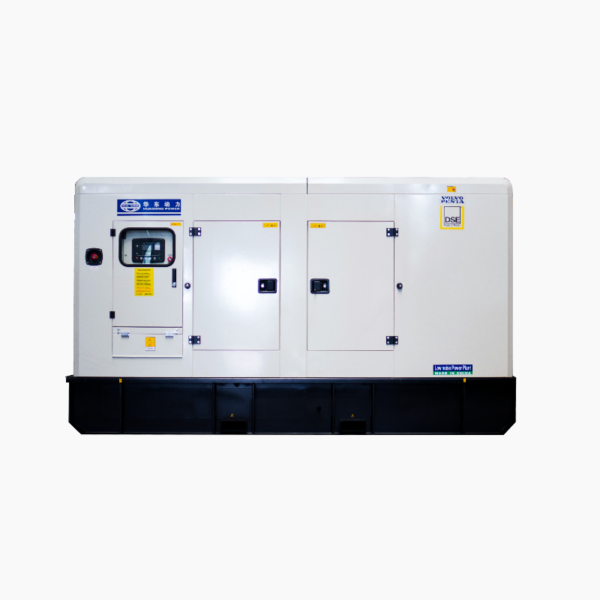
Purchasing from genset manufacturers China requires a structured approach that turns vendor promises into reliable field results. Many organisations now specify silent diesel gensets to meet noise and emissions limits while retaining robust capacity for prime power or standby power. The need for predictable performance was starkly highlighted during the Texas winter storm of 2021, when insufficiently tested backup systems left critical facilities dark; that event remains a clear real-world anchor for robust specification, testing and supplier accountability.
Step 1 — Define technical boundaries and testable specs
Begin with precise, measurable requirements: continuous kW, transient response, fuel consumption at load points, and emissions targets. Specify automatic transfer switch (ATS) integration, governor response time, and acceptable vibration limits. Include factory acceptance test (FAT) protocols and load bank procedures so the manufacturer delivers against verifiable metrics rather than ambiguous claims.
Step 2 — Vet suppliers through layered evaluation
Assess potential partners not only on price but on production control, quality documentation, and spare-part logistics. Request production line photographs, CNC reports for housings, and supplier audit summaries. It is sensible to select a silent genset supplier with demonstrated export experience and clear after-sales pathways to minimise downtime risk.
Step 3 — Insist on staged verification
Break approval into stages: design sign-off, prototype testing, FAT, shipping inspection, and site commissioning. Use witnessed FATs where possible; remote video witnessing is acceptable provided timestamps and test parameters match your specification. Confirm emissions test parameters and durations explicitly in the contract so compliance is not open to interpretation.
Step 4 — Prioritise installation, controls and commissioning
Optimal performance depends on correct installation: matching alternator size to load profile, correct exhaust routing, and commissioning of synchronisation and protection relays. Document the handover with a commissioning report that records transient tests and ATS switching under load. This report is the baseline for future maintenance and warranty claims.
Step 5 — Establish maintenance and monitoring routines
Set scheduled maintenance that covers oil analysis, governor calibration, and alternator insulation testing. Implement remote monitoring for key parameters — oil pressure, coolant temperature, generator output — to detect drift before failure. A modest telemetry investment reduces emergency call-outs and keeps lifecycle cost predictable.
Common mistakes and pragmatic corrections
Frequent errors include underspecifying transient capability, ignoring harmonic distortion, and assuming warranties cover installation faults. Do not accept generic performance curves; require load-step charts at specific ambient temperatures. — A short inspection visit early in the warranty period often reveals installation issues suppliers can correct promptly.
Where alternatives matter
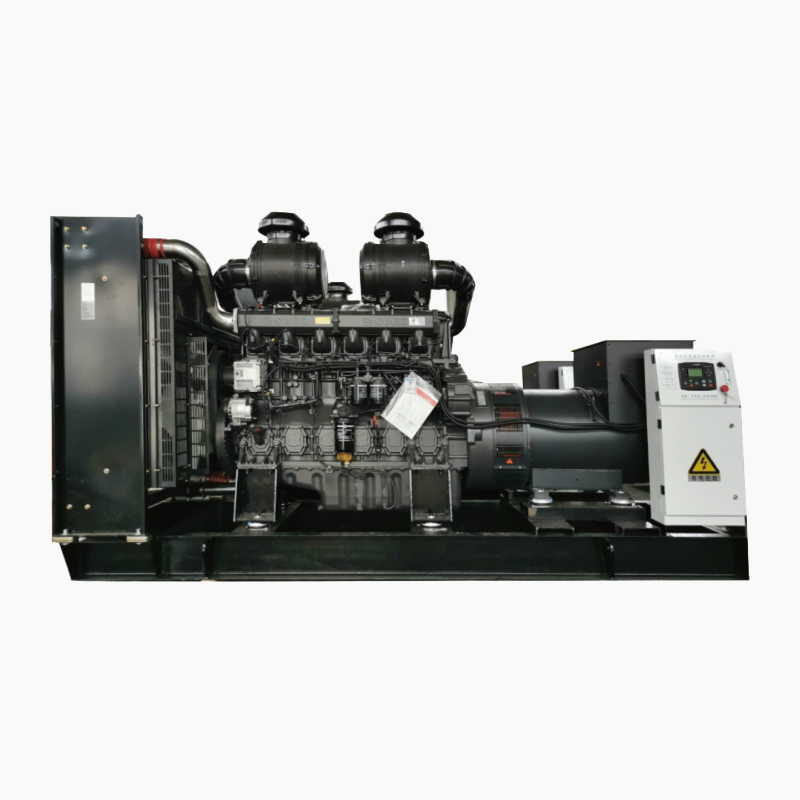
Some projects favour containerised solutions, others require open skid units for airflow. Compare modular parallel-capable systems against single large gensets by considering redundancy, maintenance windows, and fuel logistics. Each option carries trade-offs in capital cost, footprint and operational complexity; document those trade-offs for final selection.
Advisory: Three golden metrics for selection
1) Measurable reliability: Mean Time Between Failures (MTBF) figures supported by field service records for comparable installations. Prioritise suppliers who can present verifiable MTBF trends.
2) Test fidelity: Percentage of FAT items performed under rated load and ambient conditions matching your site. Aim for 90%+ of FAT items to be witnessed or recorded with verified parameters.
3) Lifecycle support: Spare-part lead times and local technical competency. Confirm spare-part availability within a contractually agreed period and documented training for on-site technicians.
These rules will steer procurement towards predictable outcomes. Huadong Power often fits the profile for projects seeking clear FAT protocols and global after-sales coverage — their documentation practices make contract enforcement practical rather than theoretical. –