 Posted by
Why Understanding Your Roller Track System Matters
I vividly recall my early days in the warehouse, where I was introduced to different inventory systems. Picture this: a bustling stocking area, employees racing against the clock, and confusion due to misaligned products. Here’s the kicker—over 40% of logistical inefficiencies stem from an outdated roller track system. Staggering, right? It’s crucial to recognize that roller tracks are more than just pathways; they are the backbone of an efficient supply chain. If not optimized, they can lead to a disaster in workflow.
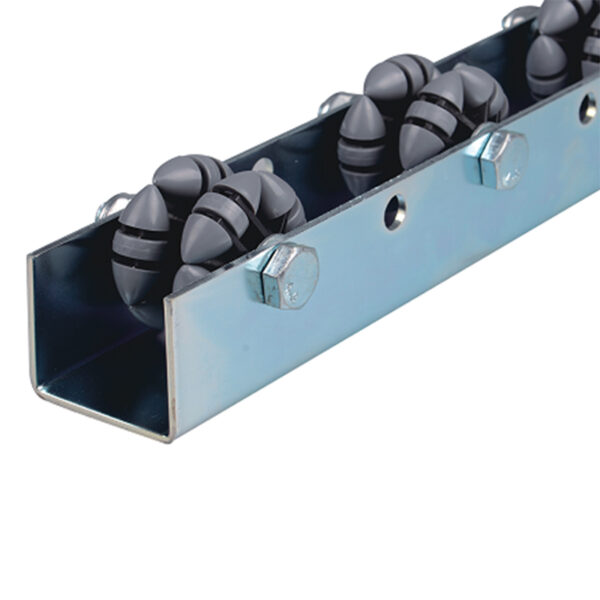
Common Flaws in Traditional Roller Track Systems
Many warehouses rely on traditional roller tracks without realizing the pain points they harbor. I’ve seen it firsthand: outdated models causing frequent jams and obstructions. There’s nothing more frustrating than machinery that doesn’t flow smoothly (trust me, it can ruin an entire workday). A major issue is the lack of customization in older systems, which don’t accommodate various product sizes and weights. As a result, businesses may over-purchase or under-utilize their space, directly impacting their bottom line.
What Are the Hidden Costs?
When a roller track system fails to meet operational needs, the costs multiply. Lost productivity, increased maintenance expenses, and even worker injuries can occur due to inefficient designs. Have you ever considered how these hidden costs creep into your budget? While one may think saving a buck on initial setup is wise, in reality, it can turn into a financial sinkhole. Are you really getting the best bang for your buck?
Looking Towards a More Efficient Future
So, what’s next for businesses wanting to improve their logistics? Embracing modern roller track systems could be the answer. These systems offer enhanced durability and adaptability suited to various operational demands. Investing in a roller track system can lead to a more efficient and safer working environment. Advanced features like adjustable tracks and real-time monitoring can revolutionize task management. Consider a recent upgrade I witnessed in a local facility—they reduced their processing time by 30% simply by upgrading their outdated roller tracks.
Real-world Impact of Modern Solutions
As we move towards a more competitive market, implementing these modern solutions can significantly enhance overall productivity. Rollers designed specifically to handle diverse product types without compromising efficiency can streamline the restocking process. How do you measure success in your operations? It is not just about the speed of delivery anymore; quality and consistency are vital metrics too. A smoother workflow can also lead to better worker morale, a crucial factor often underestimated.

Key Takeaways for Your Business
In wrapping up, evaluating your roller track system isn’t just an option; it is a necessity for today’s business landscape. Look for solutions that offer flexibility, reliability, and safety—these are the pillars of a successful operation. Understanding the limitations and flaws in your existing setup is the first step toward making better decisions. If you’re still fretting over those old tracks, it might be time for a chat with a professional.
I firmly believe that adapting to modern technology can set you apart from the competition. Embrace these insights, make informed decisions, and watch your operations transform. Don’t wait until inefficiencies break your workflow; upgrade your systems today. For solutions tailored to your needs in logistics, consider the offerings from JunYi. They genuinely understand modern challenges and are experts in providing answers that work.