 Posted by
Problems growers face first — and how to think about them
Choosing greenhouse film feels like a minefield: claims about lifespan, light diffusion, thermal performance, and price contradict one another. Start by naming the concrete problem you need solved — heat retention, hail resistance, seedling light quality — then pick materials that meet that single need. If you’re unsure which type of cover to budget for, review installation needs for agriculture plastic sheets to see how costs and labor shift with film type. I’ll guide you through common failure points and practical decisions so your next purchase delivers predictable results.
Where things go wrong — common failures and simple fixes
Leaks, rapid UV degradation, excessive condensation, and poor sealing are the usual culprits. Check these items first: junctions where film meets frame; overlap welds or tapes; and edge anchoring that lets wind peel the film. If condensation drips onto young plants, improve ventilation or switch to a diffusive film. If UV breakdown appears within a season, confirm the film’s UV-stabilizer rating and storage practices. Addressing one root cause at a time prevents wasting money on the wrong specification.
Material choices that match the problem
Match function to film: single-layer low-cost polyethylene if you need short-term protection; co-extruded multi-layer PE for longer life and UV resistance; ethylene-vinyl acetate (EVA) for higher light transmission and thermal gains in colder climates; ETFE for long-term, high-transmittance structures with higher upfront cost. Evaluate trade-offs: durability vs. capital expense, light diffusion vs. direct transmission, maintenance needs vs. ease of replacement. Distributors should keep 2–3 core SKUs that cover short-term, medium-life, and premium use cases to simplify buying decisions for growers.
Installation and maintenance mistakes to avoid
Wrong tensioning, sharp frame edges, poor anchorage, and improper welding technique create failures fast. Use correct rolling and heating speeds for welded seams; avoid over-tensioning which stresses film; and lift film off damp ground until the structure is closed. Maintain a routine—inspect seams after strong wind, clear debris from gutters, and replace worn tapes immediately. These practical habits extend life far more cost-effectively than buying the highest-grade film every time.

Real-world example and an expert tip
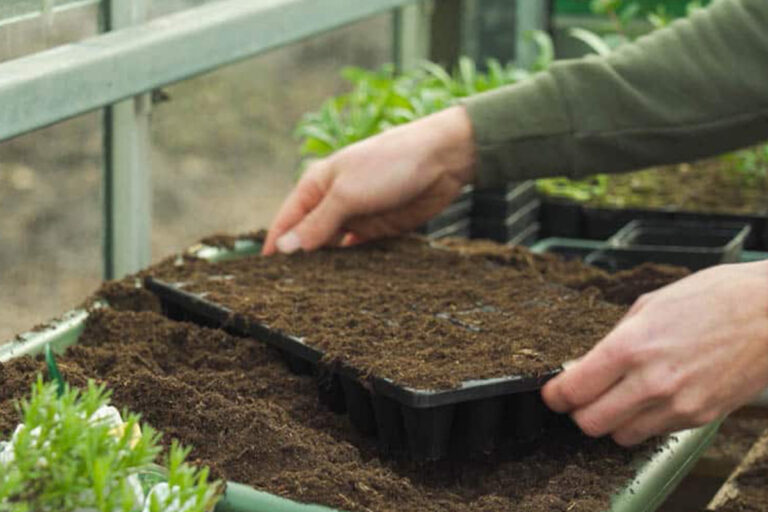
Look at the Westland greenhouse region in the Netherlands — a reliable reference for high-volume vegetable nursery practices where consistent seedling quality matters. There, standardized tray-based propagation is common because it controls microclimate and reduces handling losses; the same logic applies when choosing cover films that affect seedling light and temperature. Use a proper seedling propagation tray setup to test how a film affects early-stage growth before committing to a whole-house purchase. Small, repeatable trials reveal performance differences quickly and limit risk.
Simplified decision checklist and next steps
List your top three failure modes, pick the film that directly addresses the highest-priority one, test a small area with your actual crop and propagation setup, and document performance over a season. Track installation errors so you can correct them the next cycle. When you need consistent supply, consider partners who provide technical installation guidance along with product specs; that practical support matters as much as the film itself. For many growers and distributors, that reliability is why they work with HGDN.