 Posted by
Introduction
Have you ever stood in a shop at 6 a.m., watching a machine idle while a deadline closes in? I have. The problem feels familiar — one missed run can push an entire week off track. In many shops, the CNC turning and milling machine sits at the center of that pressure: spindle idle, programs paused, orders late. (I say this as someone who’s rolled up sleeves on the floor.)
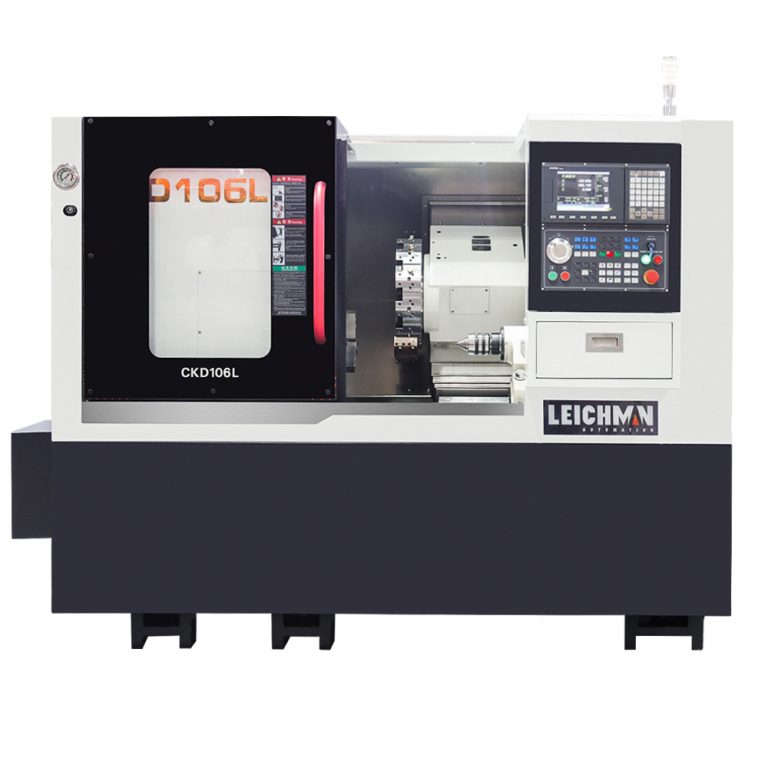
Consider a simple stat: shops that tune cycle times and reduce changeover often cut lead times by 15–35% and scrap by measurable amounts. So I ask: what small, practical adjustments yield those gains without a full rebuild of the shop? This article compares approaches, digs into where traditional fixes fall short, and points toward practical principles to guide decisions. Let us move from the problem to the possible — step by step.
Where Traditional Fixes Fail: Deeper Problems with Current Practices
When teams chase uptime, they often patch symptoms instead of resolving root causes. I want to be blunt: a faster stepper motor won’t fix a poor tooling strategy. Many shops rely on band-aid practices — excessive manual setups, inconsistent CNC program standards, and neglected coolant system upkeep. Those are familiar pains. For a clearer lens, look at how modern shops approach cnc milling and turning jobs. Often the machine is capable, but the workflow and tooling choices hold it back.
Why do these fixes repeatedly miss the mark?
First, the toolpath and fixture decisions are sometimes divorced from the spindle and turret capabilities. You can have top spindle speed and powerful servo motors, but if feed rate and tool selection are mismatched, cycle time suffers. Second, people underestimate the cost of poor program transfer and version control. A bad CNC program (wrong offsets or inconsistent G-code standards) causes rework. Third, coolant and chip management are treated as maintenance afterthoughts instead of production enablers. Those small oversights add up. Look, it’s simpler than you think — address the root rather than amplify the symptom.
To put it plainly: the usual “upgrade hardware” answer is incomplete. Better results come from pairing the right tooling (turning tool vs milling cutter), consistent CNC program practices, and attention to spindle cooling and tool changer reliability. These are practical levers. If you tackle them together, the machine’s true throughput starts to show — faster, cleaner, repeatable. — funny how that works, right?
New Technology Principles: Principles That Actually Move the Needle
Moving forward, I favor a principle-driven approach over one-off purchases. Here’s what I’ve learned: start with capability matching, then add control-system strategies. For example, adaptive feed control and spindle load monitoring reduce chatter and scrap while maximizing tool life. When you pair those control strategies with robust fixturing and planned toolpaths, the machine spends far more time cutting and less time waiting.
Another practical principle is modular improvement. Instead of replacing a whole line, upgrade the tool changer, tighten position feedback with better encoders, or add a simple edge-computing node for logging cycle data. These steps let you sample gains quickly and measure impact. In that context, a modern cnc heavy duty lathe becomes an asset whose performance you can tune gradually, not a large gamble.
Real-world Impact?
Yes. When one shop I advised improved its tool change sequence and standardized G-code headers, cycle variance dropped noticeably. Downtime fell, and the team had clearer data to justify further investment. We measured feed rate stability, spindle load, and part-to-part variance — three metrics that quickly told the story. Those small wins made the case for larger upgrades later.
So, the forward-looking strategy is: measure first, target a small change, evaluate, then expand. Short cycles of improvement deliver confidence and visible ROI. I believe this measured path beats big, unproven overhauls most of the time.
Practical Close — Three Metrics I Use When Choosing Upgrades
I’ll end with three simple, practical evaluation metrics you can use the next time you consider changes. These are the things I check first, in order.
1) Throughput delta per tool change: How much cycle time do we save per standardized toolset? Measure seconds saved. If gains are marginal, rethink the tooling strategy.
2) Consistency of CNC program results: Check part-to-part variance and rejected parts after a program refresh. If variance improves, your control and program standards are paying off.
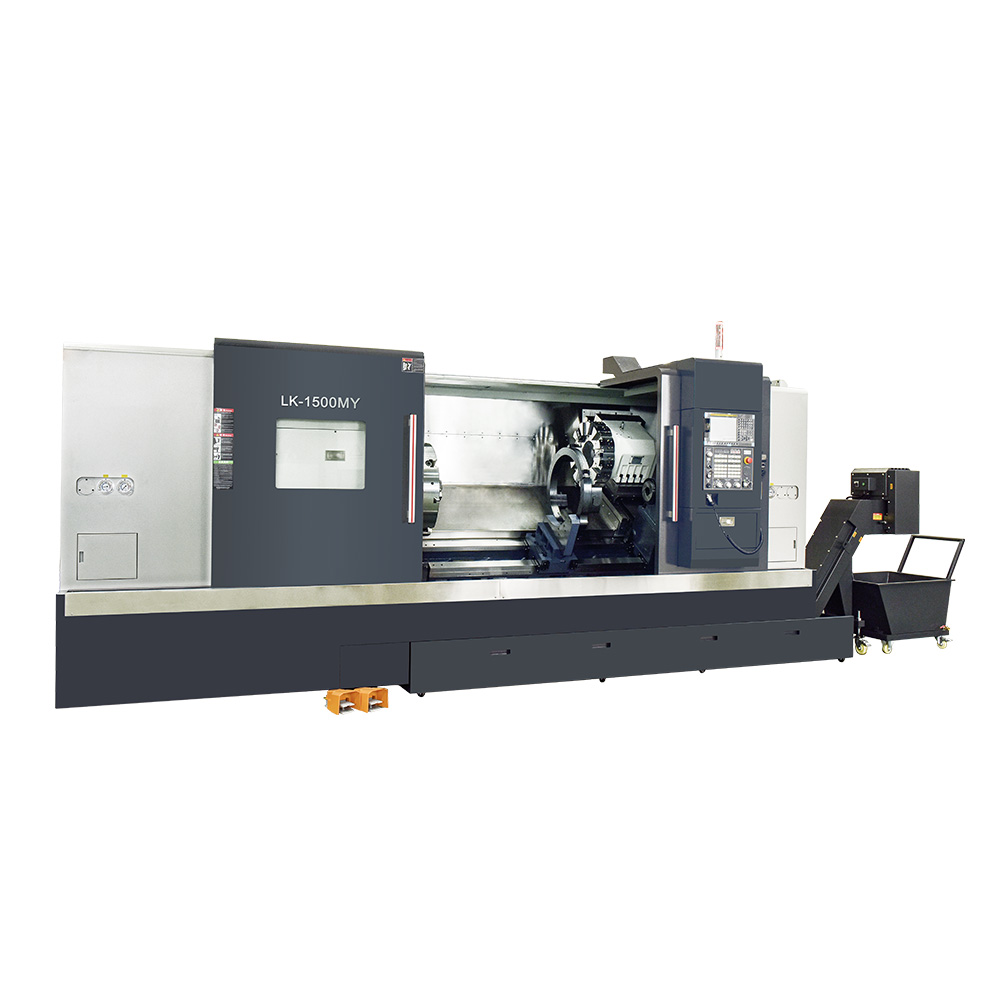
3) Mean time between stoppages (MTBS): Track stoppages caused by fixtures, coolant issues, or tool failures. Small reductions in MTBS compound into large daily gains.
I share these not to promote a single brand, but because I’ve used them. They keep decisions objective and make upgrades less of a gamble. In practice, combine those metrics with a pilot improvement on a single cell. If it works, scale. If not, refine and try again — iterative, focused, and fast.
Finally, if you’re looking into machines or seeking a reliable vendor, consider the product line and support offered by Leichman. I’ve seen shops benefit from thoughtful equipment choices combined with the small, steady improvements described above. We can make measurable progress — one step at a time.